
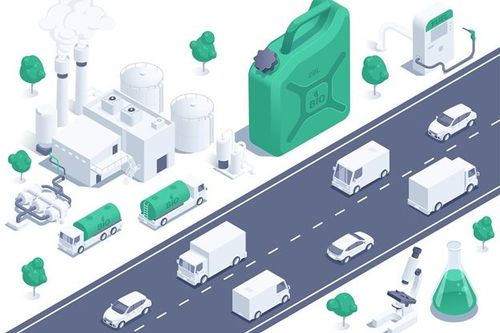
Brazilian city trials new biofuel aimed at replacing diesel entirely
By Oliver Griffin and Diego Vara
As widening conflict in the Middle East roils global energy markets, one city in southern Brazil is planning to run more of its municipal fleet on an innovative homegrown biofuel designed to replace diesel entirely.
Nestled among rolling expanses of soybean farms in the state of Rio Grande do Sul, the city of Passo Fundo is deploying a diesel alternative for its municipal fleet made from feedstocks including soy, animal fats and used oils.
Whereas traditional biodiesel is blended with petroleum-based diesel at a ratio of 15% in Brazil, the new fuel is designed to fully replace the fossil fuel in any vehicle that takes diesel, cutting carbon emissions and potentially reducing costs.
Be8, one of Brazil’s biggest biodiesel firms, received regulatory approval in late 2024 to start producing the new fuel, called BeVant, in Passo Fundo, aiming initially to make 28 million liters (7.4 million gallons) annually.
BeVant is a so-called drop-in for the fossil fuel and can be used in regular diesel engines without needing modifications, Be8 said.
With crude prices soaring due to the U.S.-Israeli war on Iran, triggering fears of diesel shortages in Brazil, Passo Fundo Mayor Pedro Almeida said the new fuel has brought some peace of mind.
“When we talk about these conflicts … and when we have an alternative fuel like BeVant available, that represents, without a doubt, a very large competitive potential,” said Almeida.
Neither the mayor’s office nor Be8 commented on the current cost per liter of BeVant, but the company said it was around 15% more expensive than biodiesel and much cheaper than its direct competitor, HVO, or green diesel.
RECORD HARVEST
Although the initial contract for BeVant represented a premium over traditional diesel, the mayor’s office is confident prices will fall, and expects to use BeVant more widely across the rest of its fleet in the future.
“I am certain the fuel will start becoming cheaper as production increases, with more volume and a larger market,” Almeida said.
When the first stage of the rollout is complete, 17 Passo Fundo vehicles – including trucks, backhoes and a minibus – will tank up with BeVant, requiring some 10,000 liters per month.
Brazil, which imports about a quarter of the diesel it consumes, is on track for a record soybean harvest this year, leading soy crushers and biodiesel producers to push the government to allow higher biodiesel blends.
“We are betting heavily on BeVant for the company’s growth in Brazil and abroad,” Be8 CEO Erasmo Carlos Battistella told Reuters, adding that the company is in talks with businesses seeking to lower their net carbon emissions.
Beyond Passo Fundo, BeVant is used in a popular Brazilian truck racing competition, Copa Truck, along with logistics firms and municipal bus fleets.
This article has been republished from The Reuters.