
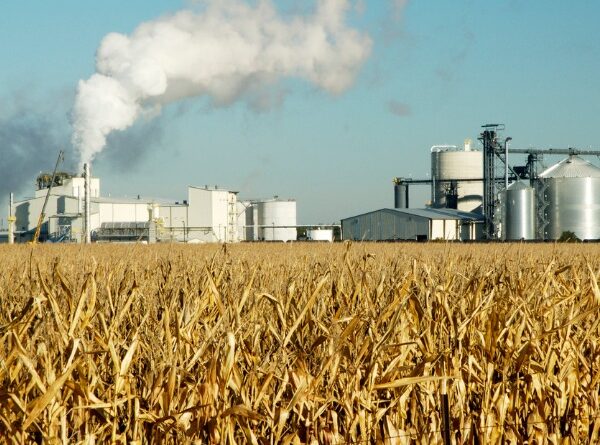
India accelerates biofuel transition by prioritising maize over sugarcane for E20 ethanol blend
India’s ambitious ethanol blending programme is entering a transformative phase, as the government shifts its focus from sugarcane-derived ethanol to maize-based alternatives. This strategic move is expected to reshape both the country’s energy landscape and its agricultural priorities, with significant implications for farmers, fuel suppliers, and the broader economy.
From sweet beginnings to a future rooted in maize
Ethanol blending has been a cornerstone of India’s clean energy policy for years, primarily relying on sugarcane as the chief feedstock. However, concerns over the sustainability and scalability of this model have prompted a recalibration. The introduction of E20 fuel, which contains 20 per cent ethanol mixed with petrol, has accelerated this transition. According to India’s Petroleum Minister Hardeep Singh Puri, maize now constitutes approximately 35 per cent of the nation’s ethanol production, a figure that marks a decisive shift from earlier dependence on sugarcane.
Why the shift? Agricultural and environmental drivers
The move toward maize-based ethanol is not merely a technical adjustment but a response to mounting concerns over water usage and food security. Sugarcane is a highly water-intensive crop, raising alarms about its environmental impact, particularly in regions already facing water stress. Maize, by contrast, requires less water and can be cultivated in a wider range of agro-climatic zones, offering flexibility to farmers and reducing regional imbalances in crop selection. Experts from the Indian Institute of Sugarcane Research have previously highlighted the risks of over-reliance on sugarcane, which can exacerbate groundwater depletion and affect food crop patterns.
Energy security and economic opportunity
India’s growing appetite for energy security is another driver for the ethanol push. By diversifying feedstocks for ethanol production, the government aims to insulate the country from global price shocks in crude oil and ensure a stable supply of biofuel. The E20 blending target, part of a broader plan to reduce carbon emissions and curb oil imports, is expected to boost rural incomes and create new opportunities in the agri-business sector. The Ministry of Petroleum and Natural Gas has emphasised that expanding maize cultivation for ethanol is aligned with the government’s vision for self-reliance in energy.
Challenges and the road ahead
Despite the optimism, the transition to maize-based ethanol is not without challenges. Infrastructure for maize procurement, storage, and processing needs significant investment. There are also concerns about balancing maize use for food versus fuel, a debate that has played out in other countries pursuing aggressive biofuel policies. Agricultural economists caution that careful policy design will be essential to prevent unintended consequences such as food price inflation or crop monocultures.
What industry leaders are saying
In an interview with News18, Petroleum Minister Hardeep Singh Puri defended the government’s ethanol strategy, pointing out the increasing share of maize in ethanol production as a sign of progress. He emphasised that the policy is not only about cleaner fuel but also about creating new economic pathways for India’s farmers. Puri’s remarks reflect a broader government narrative that positions the biofuel transition as a win-win for both the environment and rural livelihoods.
Implications for India’s energy and rural futureThe pivot to maize signals a maturing of India’s biofuel policy, integrating agricultural innovation with climate commitments and energy goals. If managed well, it could help strike a balance between environmental sustainability, rural prosperity, and energy independence. As India pushes forward with E20 implementation, the country will serve as a key test case for how emerging economies can harness biofuels for inclusive growth.Looking ahead, policymakers will need to ensure that the benefits of this shift are widely shared, with robust support for farmers, targeted infrastructure investments, and vigilant monitoring of environmental trade-offs. India’s experiment with maize-based ethanol may well set the template for biofuel strategies across the developing world.
This article has been republished from The ET Chemicals.