
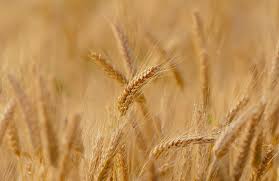
Himachal Pradesh: Dry spell casts shadow on rabi season, wheat crop withers
By Rajiv Mahajan
Winter rainfall, which is extremely important for the wheat crop, the main rabi crop of this hill state, has remained largely deficient this season. The prolonged dry spell has not only delayed the cultivation of wheat but in the absence of adequate soil moisture, the standing crop has also started withering in several parts of Kangra district.
Most of the wheat cultivation area in the mid and lower hills of the district is rainfed and heavily dependent on winter rainfall both for sowing and for the crop’s growth before maturity. The region witnessed only a single spell of rainfall about one-and-a-half months ago, which has proved insufficient to maintain the required soil moisture for crop development and grain formation. Farmers who have invested their hard-earned money in sowing rabi crops, particularly wheat, are now in distress as scanty winter rainfall and the continuing dry spell are likely to cause substantial losses due to poor yield.
Agriculture experts say that due to the prolonged dry conditions, soil moisture levels in rainfed fields have declined sharply, adversely affecting crop growth.
“Moisture stress during the tillering stage can lead to a reduced number of productive tillers, poor spike development and lower grain formation. In addition, higher temperatures combined with moisture deficit may accelerate crop maturity, resulting in smaller grain size and lower grain weight. Consequently, rainfed wheat areas may experience a moderate decline in productivity if the dry conditions persist,” experts said.
Himachal Pradesh is currently experiencing a significant winter rainfall deficit during the ongoing Rabi season (2025–26). According to data from the India Meteorological Department (IMD), the state has received substantially lower rainfall than normal during the winter months. Between January and February 2026, the state recorded approximately 102 mm of rainfall against the normal of about 187 mm, reflecting a deficit of nearly 45 per cent. The situation was particularly severe in February 2026, when rainfall was recorded 14-15 mm against the normal of about 100 mm, indicating a deficit of nearly 85-86 per cent. December 2025 also remained largely dry, further aggravating moisture stress conditions in agricultural fields. Reduced winter snowfall and rainfall may also affect water availability in natural irrigation sources such as streams and traditional kuhls during the later part of the season.
According to Kuldeep Dhiman, Deputy Director, Agriculture, Palampur, winter rainfall plays a crucial role in the wheat crop, which is generally sown during November-December and harvested between April and May in the Kangra valley. It helps maintain adequate soil moisture during critical growth stages such as tillering, jointing and grain filling, especially in rainfed areas.
Meanwhile, the Agriculture Department has issued an advisory in view of the prevailing dry spell. Dhiman said that rainfed wheat growers should adopt suitable crop management practices to minimise losses. “Farmers should adopt moisture conservation practices such as light hoeing to reduce evaporation losses and ensure early weed control. Fertiliser application, particularly nitrogen, should be carried out only when adequate soil moisture is available. If feasible, farmers may provide one protective irrigation to stabilise crop growth,” he said.
This article has been republished from The Tribune.