
Japan Expands Green Energy Investments In Vietnam With Solar And Biomass Projects
By Mohan Gupta
In 2025, Japan continues to strengthen its role as one of the most important economic partners of Vietnam, with growing investments focused on sustainable development and renewable energy. Over the past few years, Japanese companies have steadily expanded their presence in the country, and by August 2025, the number of Japanese foreign direct investment projects had crossed 5,630. The total value of these investments has reached more than $79.4 billion, highlighting the strong economic ties between the two nations. A significant portion of this investment is now being directed toward green energy initiatives, particularly in Long An Province, as companies increasingly align their business strategies with Vietnam’s plans to transition toward a low-carbon economy.
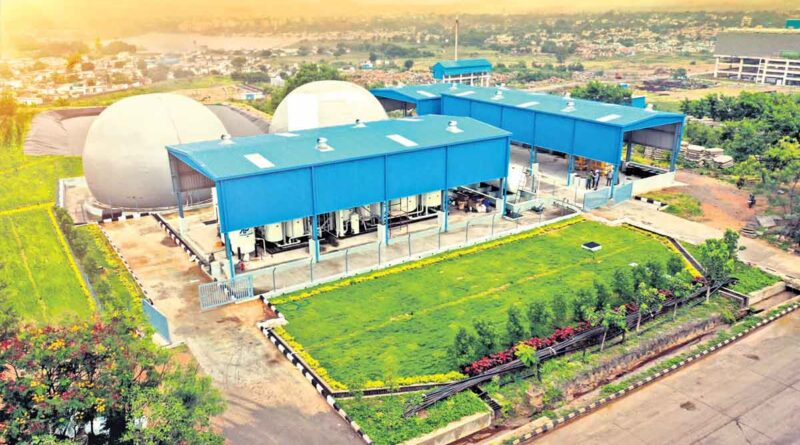
One of the most prominent developments in the renewable energy sector is a biomass energy project led by Japanese investors. This project uses agricultural by-products as fuel, transforming waste materials into clean electricity. The initiative is considered an important step toward addressing environmental concerns while also creating an alternative energy source. By utilizing residues from farming activities in the agriculturally rich Mekong Delta region, the project not only reduces waste but also lowers carbon emissions. At the same time, it helps reduce Vietnam’s reliance on fossil fuels, especially in rural and industrial areas where demand for energy continues to grow.
Alongside biomass power, solar energy has emerged as another major area of Japanese investment. In Long An Province and several other industrial centers, Japanese companies are installing large-scale rooftop solar systems across industrial parks. These projects take advantage of Vietnam’s strong solar irradiation, allowing factories and manufacturing facilities to generate clean electricity on-site. The adoption of rooftop solar systems helps industries reduce energy costs while ensuring a stable and environmentally friendly power supply.
Japanese expertise is also playing an important role in the development of eco-industrial parks. A notable example is the Thang Long Industrial Park, where sustainability principles are integrated into the design and operation of the park. These industrial zones are being developed not only as manufacturing hubs but also as environmentally responsible ecosystems. Renewable energy sources, resource efficiency, and ecological restoration are being incorporated to support high-tech production while minimizing environmental impact.
Together, these initiatives in solar and biomass energy demonstrate Japan’s growing commitment to supporting Vietnam’s sustainable development goals. By investing in green technologies and circular economy practices, Japanese companies are contributing to the transformation of Vietnam’s energy sector. As the country continues to expand its industrial base, these projects help ensure that economic growth is balanced with environmental protection and long-term energy security. The cooperation between Japan and Vietnam in renewable energy is therefore becoming an important pillar of their broader economic partnership.
This article has been republished from The Solar Quarter.