
BHU Scientist Shares Insights On Research Showing Rice Bran’s Role In Preventing Colorectal Cancer
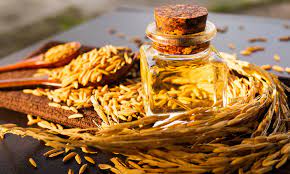
Scientists at Banaras Hindu University (BHU), Uttar Pradesh, have been using rice bran, a discarded byproduct of rice processing, to help prevent colorectal cancer (CRC) since 2023 after a successful study on mice in collaboration with the University of Colorado, United States.
Akhilendra Maurya, one of the authors of the study, shared insights on the promising research and its application with ETV Bharat during a lecture at Sagar University of Madhya Pradesh.
The assistant professor in the Department of Zoology at BHU said rice bran intake induces beneficial changes in both gut microbiota and metabolites, reducing inflammation and tumour burden in colitis-associated colon cancer models, with similar metabolic shifts observed in colorectal cancer survivors.
Excerpts:
Colorectal cancer and new treatment
Colorectal cancer is an extremely distressing condition. Apart from genetic factors, dietary habits, specifically the consumption of meat and excessive alcohol, are major contributors to intestinal cancer. Patients are forced to grapple with debilitating symptoms such as unbearable abdominal pain, blood in the stool, weight loss, and chronic fatigue. We concluded the research at the Department of Zoology of BHU, which has sparked hope for a potential cure. Remarkably, this treatment involves the use of rice bran, a material that is typically discarded as waste. Studies conducted on mice as part of this research have revealed that incorporating rice bran into the diet plays a highly effective role in preventing colorectal cancer. This groundbreaking research has been featured in a world-renowned scientific journal.
About a study using rice bran on mice
To treat colorectal cancer, also known as intestinal cancer, one must first understand how it develops. In our daily lives, most of us encounter various minor intestinal issues from time to time. If these issues persist over a prolonged period without improvement, they can create an environment that promotes the development of cancer. We conducted research on this subject and discovered that rice bran, essentially the outer layer or husk of the rice grain, provides protection against colorectal cancer when administered to mice. We carried out this study at the University of Colorado to observe the specific effects of rice bran on the mice.
Reasons for getting CRC
Colorectal cancer is defined as the uncontrolled growth of cells within the body’s large intestine (colon) or rectum. It often begins as small, non-cancerous growths known as polyps. Polyps are abnormal, small lumps of tissue that grow either inside or outside the body. The causes of intestinal cancer may include genetic factors, a diet high in meat, excessive alcohol consumption, and a lack of physical exercise. Symptoms associated with this condition include changes in bowel habits (such as diarrhoea or constipation), rectal bleeding, unexplained weight loss, and fatigue. Accurate diagnosis is possible through a colonoscopy, a procedure that also allows for the removal of precancerous polyps.
Rice bran helps prevent CRC
The phytochemicals found in rice bran hold distinct significance. Historical evidence suggests that the phenols and flavonoids present in rice bran play a role in the prevention of cancer. Building upon this premise, and noting that rice bran is often regarded as a waste product, we observe that if it is stabilised and incorporated into one’s diet, it can be effective in preventing cancer. Studies regarding this have been conducted on mice. In our research, we studied the effects of rice bran on cancer patients; by comparing their condition before and after the consumption of rice bran, we observed a significant increase in the levels of various bacteria. Rice bran promotes the growth of healthy gut bacteria, and it is through this mechanism that it aids in cancer prevention. This research has also been published in a world-class scientific journal.
This article has been republished from The ETV Bharat.